
Local markets are an easy way to experience a place beyond the usual tourist spots. You can find local food, handmade goods, clothing, and other things you may not come across elsewhere, but exploring them can also leave you carrying more than you planned.
This can be a problem when you still have other places to visit, especially if you are walking, using public transport, or already carrying a travel bag. A little planning before you head to the market can make the experience much better.
In this guide, we’ll look at how to explore local markets while traveling, from choosing the right time to shop to deciding how to buy, and planning how you’ll carry it afterwards.
Check the Market Before You Go
Look for the market organiser’s website or recent posts to confirm operating days, opening hours, and the types of stalls running that day. A permanent market hall may follow a different schedule from outdoor stalls, while seasonal markets can have their own timings.
Think about what you want from the visit and choose your timing accordingly. Fresh produce may be easier to find earlier in the day, while prepared food and evening browsing may suit a later visit. Traveluzion’s guide to Hua Hin attractions includes night-market shopping among the town’s activities.
Check which entrance is closest to your bus stop, station, or parking area. Save the location and relevant details on your phone. If previous listings show different information, check with the organiser for the latest update before making the trip.
Prepare for the Visit
Look at the route as well as the distance. A short journey can still involve tall steps, uneven paving, or a long walk, so wear footwear you find comfortable and check the weather before you leave.
Pack only what you expect will be needed for the outing. If you plan to visit the market during a day of sightseeing, consider how you will carry any purchases during the rest of your day.
Your lightweight travel bag should leave enough room for your essentials and purchases you may make along the way. Keep your phone and payment method secure but easy to reach, especially in a busy market.
Allow some flexibility in your schedule. If another activity starts immediately after your market visit, you may have to rush through stalls or carry your purchases around longer than planned.
Browse Before Deciding What to Buy
Take a walk through the market before buying anything. Make a note of stalls or landmarks you want to return to.
Set a spending limit before you start shopping, while leaving some room for food or an unexpected find. If something costs more than your budget, take a moment to decide whether you still want it after seeing what else is available.
It also helps to plan how you will carry each purchase for the rest of the day. Something that seems easy to take from the stall may feel very different after several hours of walking.
Follow Local Customs and Ask Useful Questions
Take a moment to see how each stall works before joining the queue. Check the price signs, accepted payment methods, and ask if anything is unclear. Some sellers accept cards while others take cash.
Bargaining practices can vary from one market to another. Check the posted prices or politely ask the seller if there is room to negotiate. Similarly, wait for an invitation to sample food, or ask whether tasting is available.
Ask permission before taking close-up photographs of a stallholder or their display, and avoid blocking aisles or serving areas.
Questions about the products can also make the experience more interesting. You might ask who made an item, what a fabric is made from, or how an unfamiliar ingredient is usually prepared.
Plan How to Carry Purchases Back
Before buying anything heavy or delicate, think about the rest of your journey. A short walk back to your accommodation is very different from carrying the same purchase through a crowded bus or train.
For fragile items such as ceramics, ask the seller for suitable wrapping and keep them separate from heavier items. Food should also have appropriate packaging, particularly if anything needs to stay chilled during the journey.
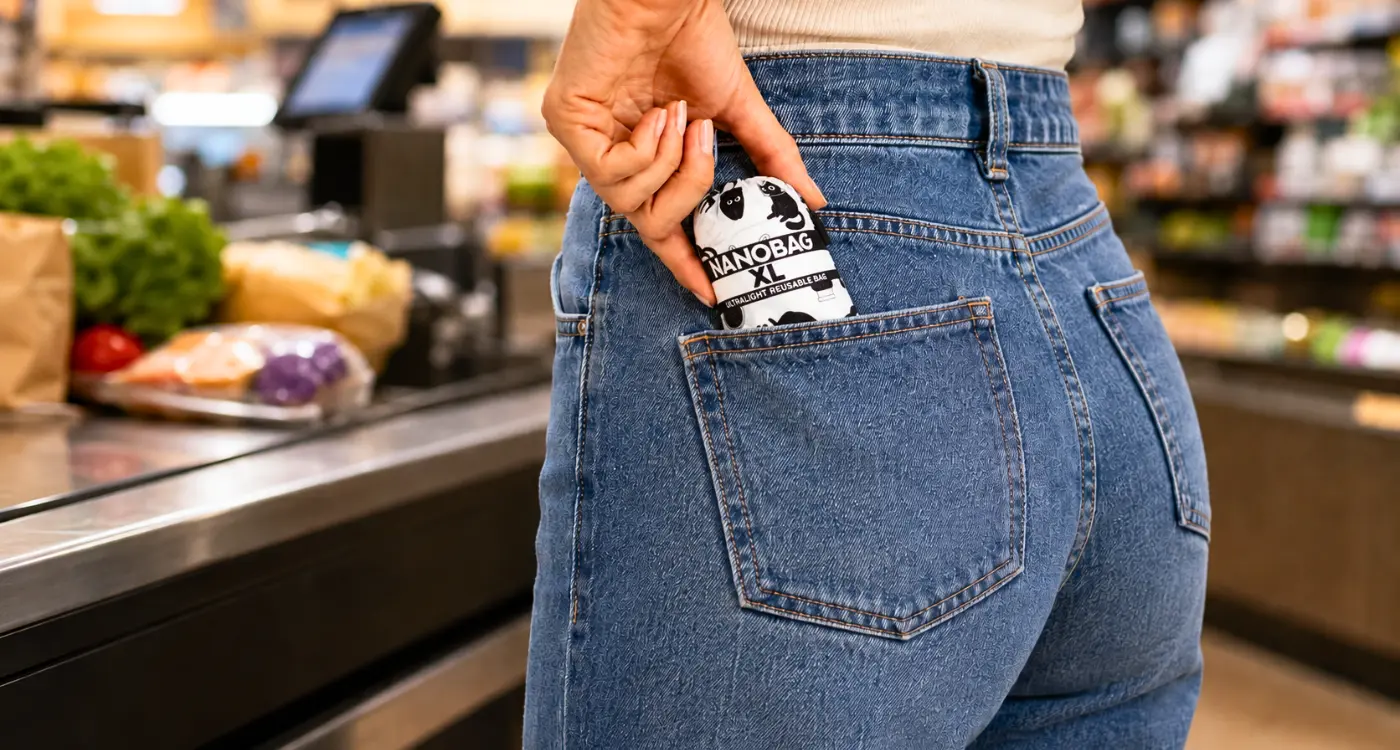
For everyday purchases, bringing an extra packable bag can make the trip easier. A reusable shopping bag gives you a separate place for market purchases without having to carry a larger bag throughout the day. Nanobag’s reusable shopping bags tuck into an attached tiny pouch that can stay in a pocket, handbag, or backpack until you need the extra space.
Before leaving the market, check that your purchases are packed securely for the journey. Keep delicate items protected from heavier ones and make sure anything that could spill or open is properly closed.
Most importantly, give yourself enough time to enjoy the market rather than treating it as a quick shopping stop. Browse at your own pace, stop for something to eat, and leave room for the occasional unexpected finds.
